PDF Print E-mail

Woody Renewables


Upper Feather River Watershed
Biomass Workshop & Public Meeting
Attended by over Thirty Indian Valley Residents

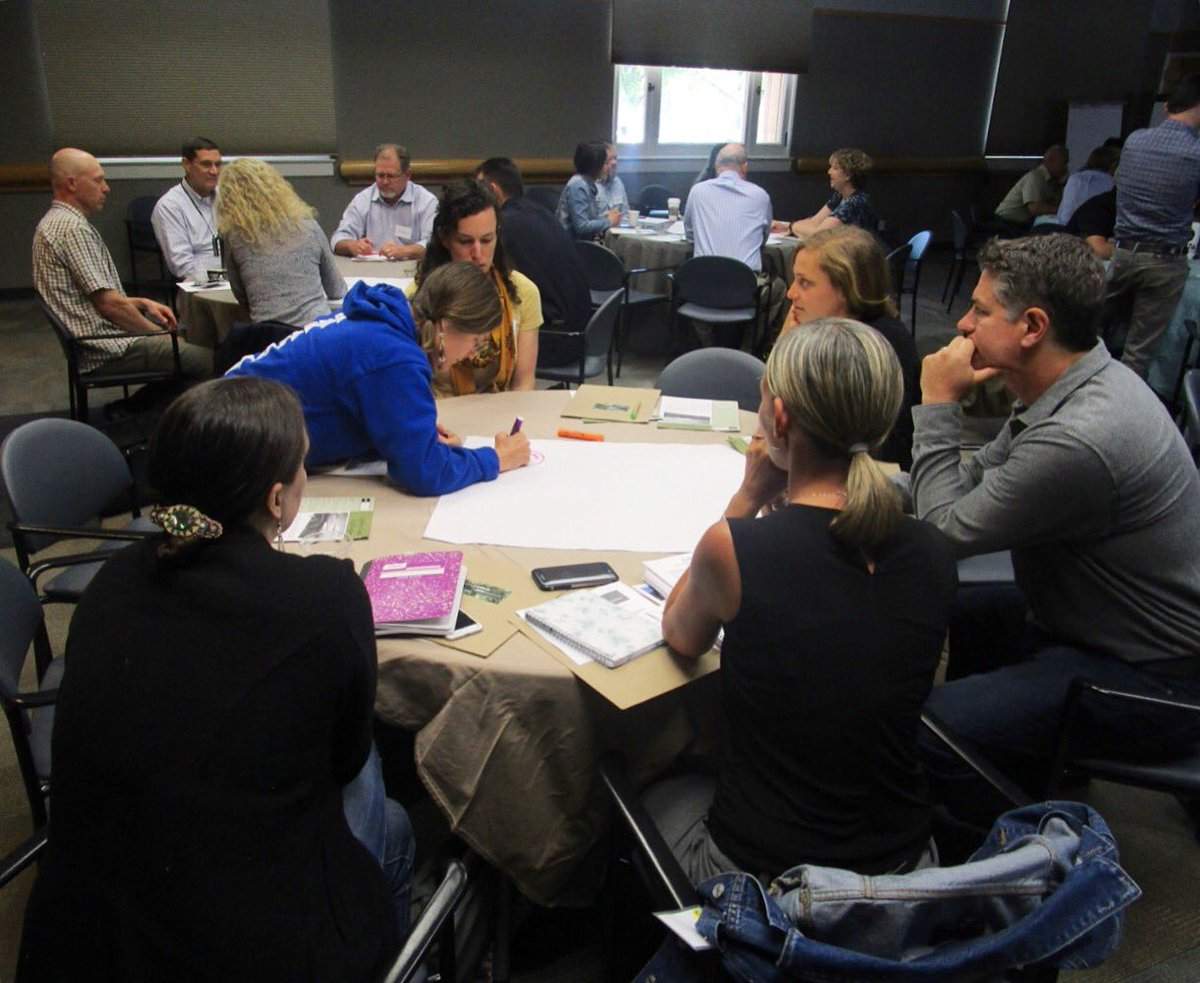
Over 30 Indian Valley residents came to hear the preliminary results of a forest biomass transportation and value-added market optimization project and discuss future opportunities for local biomass utilization Tuesday evening, February 21st.

This project is a result of the USDA Forest Service Plumas National Forest entering into a Cooperative Agreement with the Sierra Institute for Community and Environment to expand economic uses of biomass through reduction of hazardous fuels on national forest system lands in the Upper Feather River Watershed and adjacent areas.  This agreement is funded through the American Recovery and Reinvestment Act of 2009, which seeks to create new jobs and save existing ones, spur economic activity and invest in long-term growth, and foster unprecedented levels of accountability and transparency in government spending.

Tad Mason and Bill Wickman, both of TSS spoke to the gathering about the findings.  More will be posted soon.  For more information on this meeting, please contact Emily Creely at 530.284.1022 or email her at This e-mail address is being protected from spambots. You need JavaScript enabled to view it .


California Woody Renewables
A Summit to Revitalize Rural Communities and Restore Forests

"Thanks for the invitation.  Extremely eye-opening in the big picture. 
Easy to get caught up in local issues without reaching out to others - excellent job!"
2012 California Woody Renewables Participant

We all recognize the need to restore forest ecological resilience, create economic opportunities, and improve rural forest communities.  What links us is also the recognition that a focus on utilization of woody renewables (aka biomass*), offers a powerful way to accomplish all three.  Increasingly, a critical mass is recognizing the same, and it appears that we're on the verge of realizing opportunities on the ground across the state.

In efforts to move this opportunity forward, on February 15, 2012, we held a summit with those who are developing innovative projects that integrate woody renewables utilization into their economic development plans, advancing biomass-friendly policies at the state and federal level, or seeking to do these more effectively.

Read more by Damon Arthur of the Redding Searchlight.


Views from McConnell Foundation - Lema Ranch


Sierra Institute & Forest Biomass Study: 
Boom or Bust

Read more below under 'Local News'...

Why Woody Renewables?

Many communities and millions of acres of forest ecosystems in California and the West are under significant threat of catastrophic wildfire due to overly dense forest stands.  These stands not only represent a considerable fire hazard, but they are also unnatural ecosystems in need o restoration.

Additionally, climate change is increasing the potential for fires and has reduced mountain snow-pack, thus lengthening the fire season.  Forest fires can destroy habitat, degrade water quality and availability, and rob forest ecosystems of their vitality and productivity.  These impacts can threaten the well-being of the communities in or adjacent to forest lands, both in terms of personal and economic health.

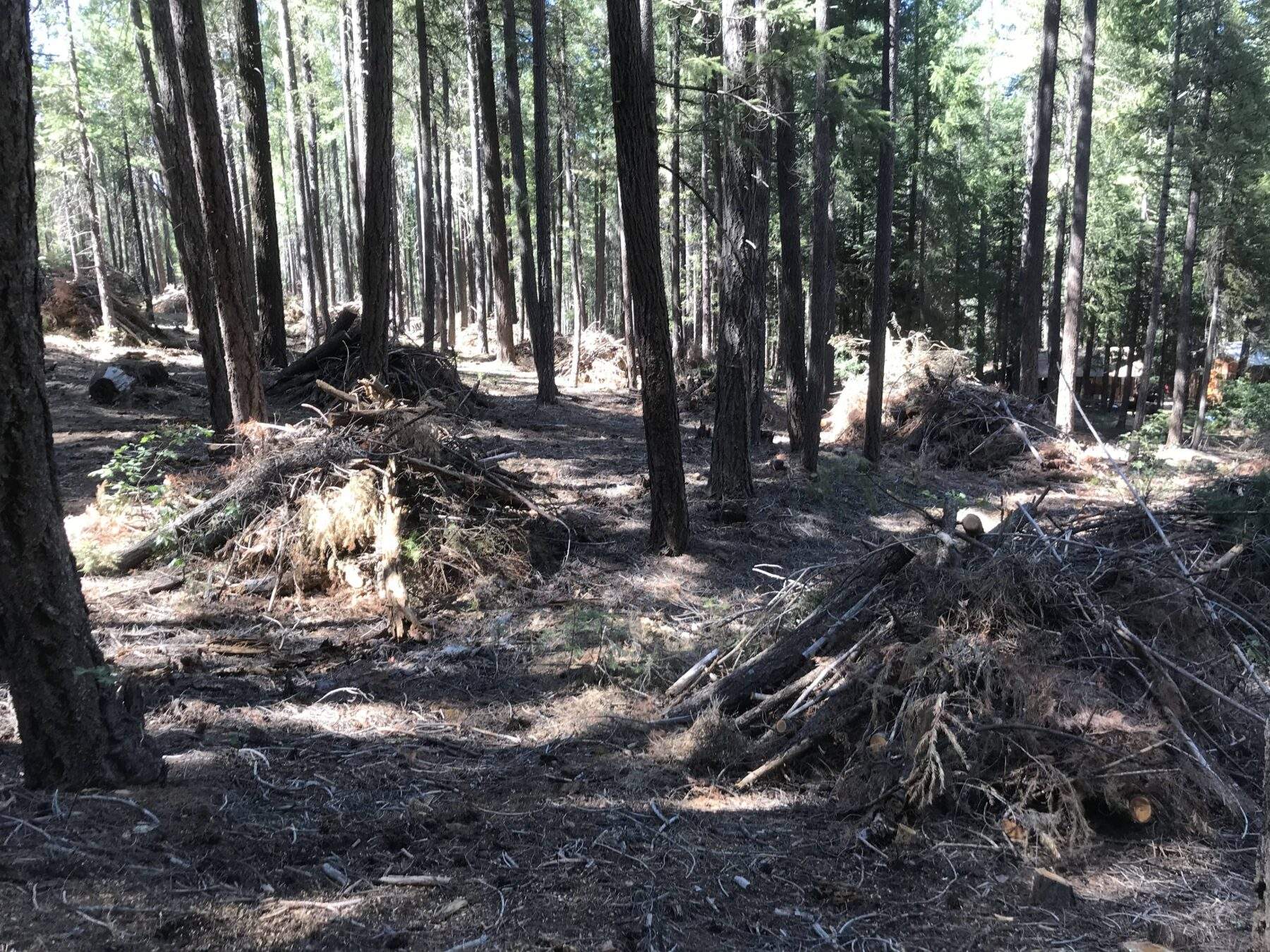
The utilization of 'biomass' has been identified as a way to proactively treat hazardous forest fuels, protect communities, and bring jobs back to rural areas.  However, the definition of 'biomass' can be broadly applied to a large rand of materials, including trees, grass, plants, crops, and even animal waste.  Therefore, a more precise term to use is 'woody renewables,' which refers to materials that come from the forest as a result of thinning unhealthy stands of trees or debris from logging activities.  Rather than leaving behind such material, or piling and burning (which adds to air emissions and regional haze), much of it can be recovered and utilized for a variety of value-added uses. including renewable energy.

The US Forest Service has set an annual target for treatment of 500,000 acres in California's Region 5 as fundamental to its ecological restoration goals, through it has yet to achieve 300,000 acres in any given reintroduced and ecological resiliency improved.

Our Response

The Sierra Institute for Community and Environment and Plumas National Forest are cooperatively working on a multi-year project to link hazardous fuels reduction, job creation, and healthy forests through the expanded recovery and use of woody renewables. The project includes a technical analysis of supply in relation to current markets, the identification of policy and other barriers to cost-effective woody renewables utilization, and communication with other local and regional groups considering woody renewables utilization as a solution.

“Biomass has become increasingly important statewide and in Plumas County,” said the Sierra Institute’s Executive Director Jonathan Kusel. “By identifying those issues that stymie biomass removal, we can address barriers that, when lifted, can pave the way to a new economy for local workers.”

This project is a result of the USDA Forest Service Plumas National Forest entering into a Cooperative Agreement with the Institute to expand economic uses of woody renewables through reduction of hazardous fuels on national forest system lands in the Feather River Canyon and adjacent areas. This agreement is funded through the American Recovery and Reinvestment Act of 2009, which seeks to create new jobs (and save existing ones), spur economic activity and invest in long-term growth, and foster unprecedented levels of accountability and transparency in government spending.

The Institute has retained TSS Consultants (TSS) to assess a range of alternatives for woody renewables utilization generated within the Upper Feather River Watershed. Additionally, the Institute is communicating with a variety of organizations in California that support sustainable job creation in economically distressed areas.

“Organizations such as the U.C. Cooperative Extension, Sierra Business Council, and Plumas Corporation have worked to advance biomass in the area and we hope to compliment their work with these projects,” Kusel said. “The Forest Service has also been pro-active with promoting value-added biomass utilization projects and so we’re in a good position here in Plumas County to achieve our goals.”

Plumas/Feather River Canyon Woody Renewables Project

The Sierra Institute for Community and Environment has initiated a multi-year effort to assess the feasibility of woody renewables in the Feather River Canyon and adjacent areas of the Plumas National Forest, and understand regional data gaps that constrain woody renewables utilization.

Woody Renewables Resources

There are a number of groups working to further utilization of woody renewables in California, the West, and Nationwide. Information and links to these groups is available here and will be continuously updated as new groups emerge and current groups complete projects and research.

Woody Renewables Success Stories

As more and more woody renewables projects begin to develop state- and region-wide, we will provide information and links detailing their efforts and successes in restoring forest ecosystems and revitalizing rural communities.

Local News About Woody Renewables

Local news agencies are reporting on various aspects of the Sierra Institute's work with woody renewables.

Sierra Institute & Forest Biomass Study:  Boom or Bust?

January 4, 2012 and article written by Alicia Knadler was featured in the Indian Valley Record.  Read more...(pdf)

Last Updated on Wednesday, 22 February 2012 17:36