|
|
|
Woody Renewables Glossary
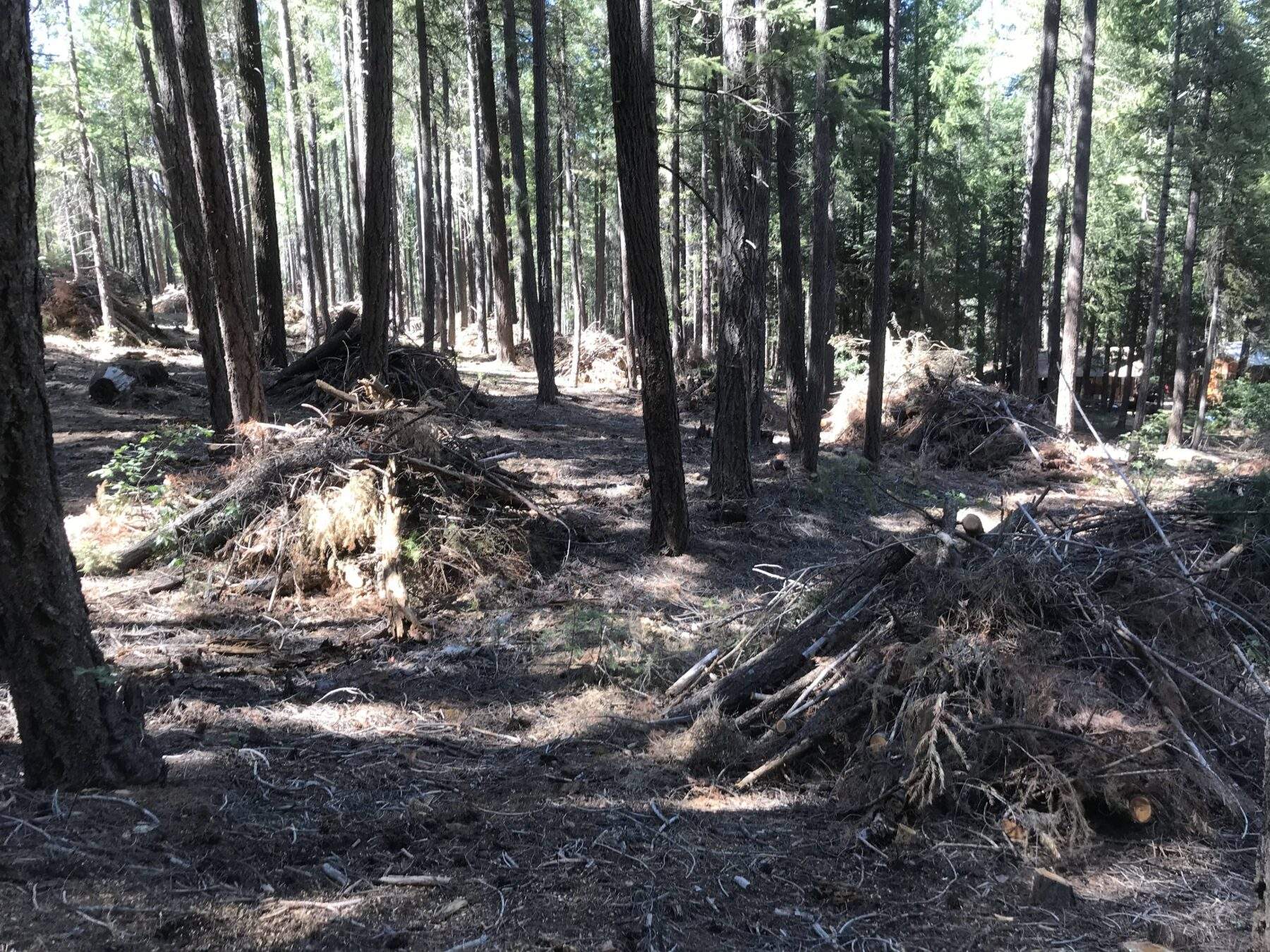
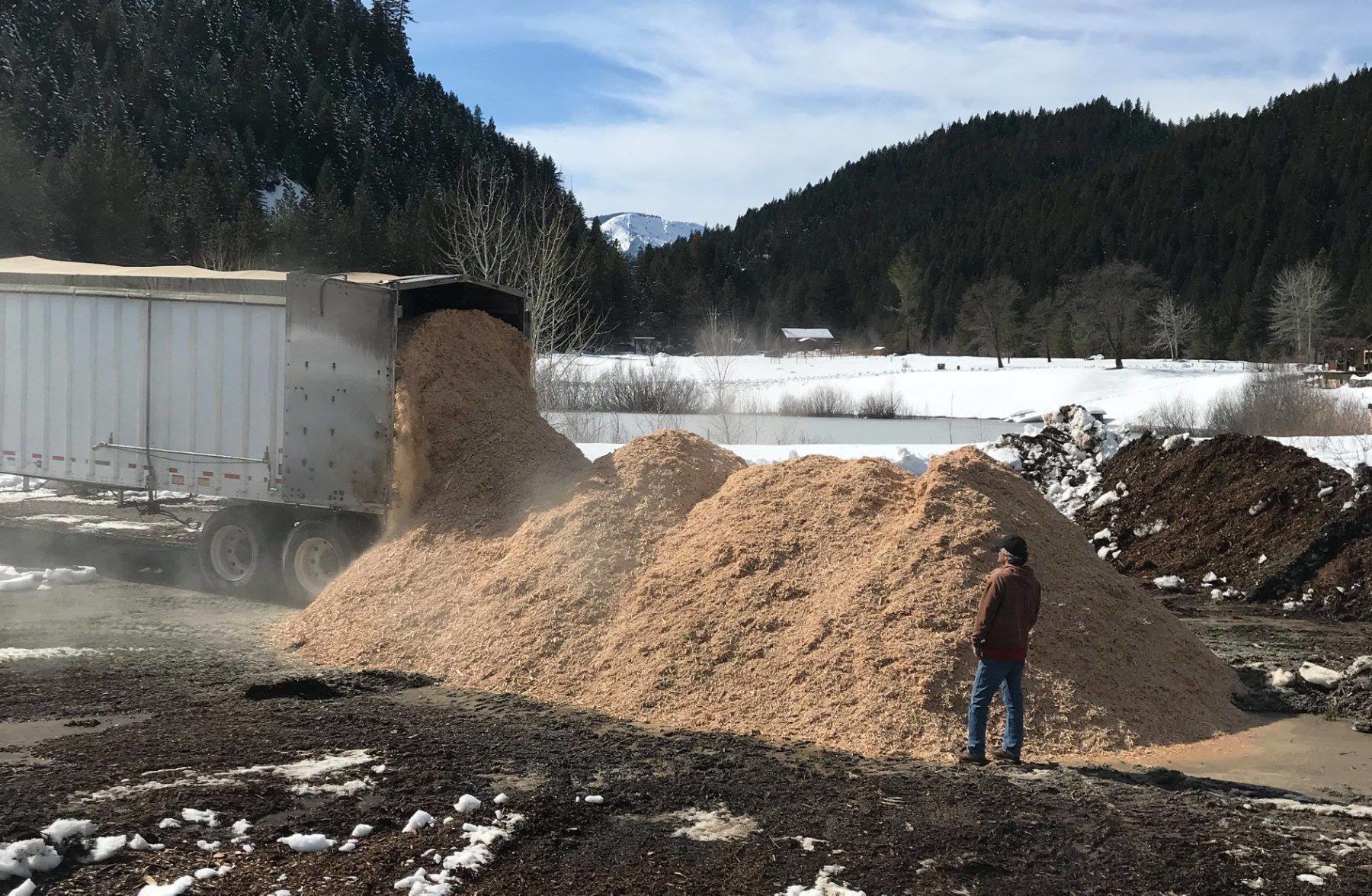
Biomass Organic matter in trees, agricultural crops, and other living plant material. “Woody” biomass refers specifically to trees, shrubs, and bushes derived from the forest that are generally small and low in value. Board foot (BF) A measurement of the volume of lumber an area or harvest produces (1 BF = 1 foot long, 1 foot wide, 1 inch thick). Boiler A system used to extract heat from hot combustion gases and use it to heat water or produce steam, which can then be used to heat a building. Biomass boilers that use either wood chips or wood pellets can work to heat both small and large facilities, such as schools or hospitals. Bole Refers to the log that is produced after a tree is cleared of its top and limbs during harvesting. bdt (bone dry ton) 2000 pounds worth of biomass with 0% moisture. Btu (British thermal unit) Btus are a way of measuring how much heat a fuel source or heating system produces. The higher a system’s Btu content is, the more heat it produces. One Btu is defined as: “The heat required to raise the temperature of one pound of water one degree Fahrenheit.” The notations MBtu and MMBtu are equivalent to 1 thousand and 1 million Btus respectively. Catastrophic fire Uncharacteristically severe stand replacement or high intensity fire that causes damage to ecological and economic assets and values. CHP (Combined Heat and Power) The simultaneous production of heat and power from a single fuel. Many sawmills use biomass CHP systems that they run on woodchips. CHP is sometimes used interchangeably with the term “cogeneration.” dbh (diameter at breast height) This is a measure of the diameter of a tree at a person’s chest level. This measure is used to determine whether or not a tree should be considered for sawtimber harvesting. Trees used for sawtimber are typically at least 9 inches dbh, whereas those used for biomass are generally 4-6 inches dbh. Green ton 2000 pounds worth of biomass typically at 50% moisture. Hardwood Refers to all deciduous trees, such as oak, maple, or alder. These trees have higher moisture content and are more dense than soft wood trees, meaning they burn longer and with more sustained heat. Hazardous fuels reduction (Forest fuels treatments/thinning) Forest management treatments, often within or near wildland-urban interface zones, designed to reduce wildfire threat to people, property, or structures. Hog fuel Typically a low quality form of biomass chips that come in all different shapes and sizes and are produced from various types of wood, bark, and sawdust. Moisture content A measure of the percentage of a wood’s weight made up by water. For example: a two pound piece of wood with 50% moisture can attribute half its weight (one pound) to water. Nitrous oxide A chemical that is released when wood is burned that can contribute to the creation of smog. It is also a byproduct of burning fossil fuels. Over-stocked Refers to forest stands where small trees and forest floor vegetation have grown in overly thick. This limits the ability of healthy trees to grow, prevents new trees from sprouting, and poses a significant wildfire hazard (the photo above is an example of an over-stocked stand). Overstory Refers to the highest area in the forest, the tree tops; also known as the canopy. Particulate matter Very small, solid airborne particles. This is a form of air pollution that can be produced when biomass is burned without emission controls (like during a forest fire or slash burning). RPS (Renewable Portfolio Standard) As fossil fuel prices continue to rise and concern over climate change mounts, many states are beginning to adopt Renewable Portfolio Standards. These are goals a state sets for the percentage of its energy it wants to produce from renewable resources, such as biomass, solar, or wind, by a certain date. California's RPS is currently 33% by 2020. Sawtimber/Sawlog Refers to trees that meet specific provisions that allow them to be harvested for commercial use. Standards dictate that trees be at least 9 inches dbh in order to be commercially harvested. Sawlogs are the logs created from whole sawtimber trees. Slash Woody residues, such as tree tops and limbs, which are generated in the forest from harvesting activities. After harvesting, slash is typically piled and burned onsite. Snag Refers to a standing, dead tree often missing its top and most of its branches and needles. Softwood Refers to all coniferous, or “evergreen,” trees, such as white pine, red cedar, or Douglas fir. This wood typically burns much quicker than hardwood because it is less dense and has less moisture. Stand Refers to a group of trees with similar characteristics, such as size, density, and species type. A stand can cover anywhere from one acre to many square miles. Standard chip van The most common method of transporting processed biomass from the forest to a sawmill or biomass energy facility. A standard chip van can carry 25 green tons of biomass or 12.5 bdt of biomass. Stinger-steer A stinger-steer is another type of vehicle that can be used to transport biomass. Stinger-steers are able to navigate roads that standard chip vans cannot because of an advanced hydraulic system that allows them to maneuver around sharper turns. Sustainability The capacity of forests, ranging from individual stands to whole ecological regions, to maintain their health, productivity, diversity, and overall integrity for the long run, in the context of human activity and use. Therm A “therm” is equivalent to 100,000 Btus. Understory Refers to vegetation that grows on the forest floor. This can include shrubs, bushes, grasses, flowers, and even very small trees. Value-added Biomass is typically seen as a low value product that, if simply burned in piles in the forest, has no economic significance. Taking biomass and using it to produce heat, energy, and other useful goods makes it a "value-added" product because it is now worth something economically. WUI (Wildland Urban Interface) Refers to the area where forestlands and communities meet or intermingle. Wood chips A type of biomass fuel that can be used for energy or heat generation. They can be processed directly in the woods or at a sawmill. To be an effective heating or power source, it is important that chips be a uniform size and moisture content. Wood pellets Also a type of biomass fuel that can be used for energy or heat generation. Most pellets are one inch long by one inch diameter and contain 6% moisture. Pellets are a more expensive fuel source than chips, but also produce more heat (7750 Btu per pound compared to 4750 Btu per pound). Woody Renewables A specific term for referring to sustainable materials that come from the forest as a result of thinning unhealthy stands of trees or debris from logging activities.
|
| Last Updated on Wednesday, 14 December 2011 00:25 |